VARNISH — layer 5 of seven
The Layer That Deepens Everything
A coat of varnish doesn't just protect paint — it physically changes what colour looks like
What Varnish Actually Does to Light
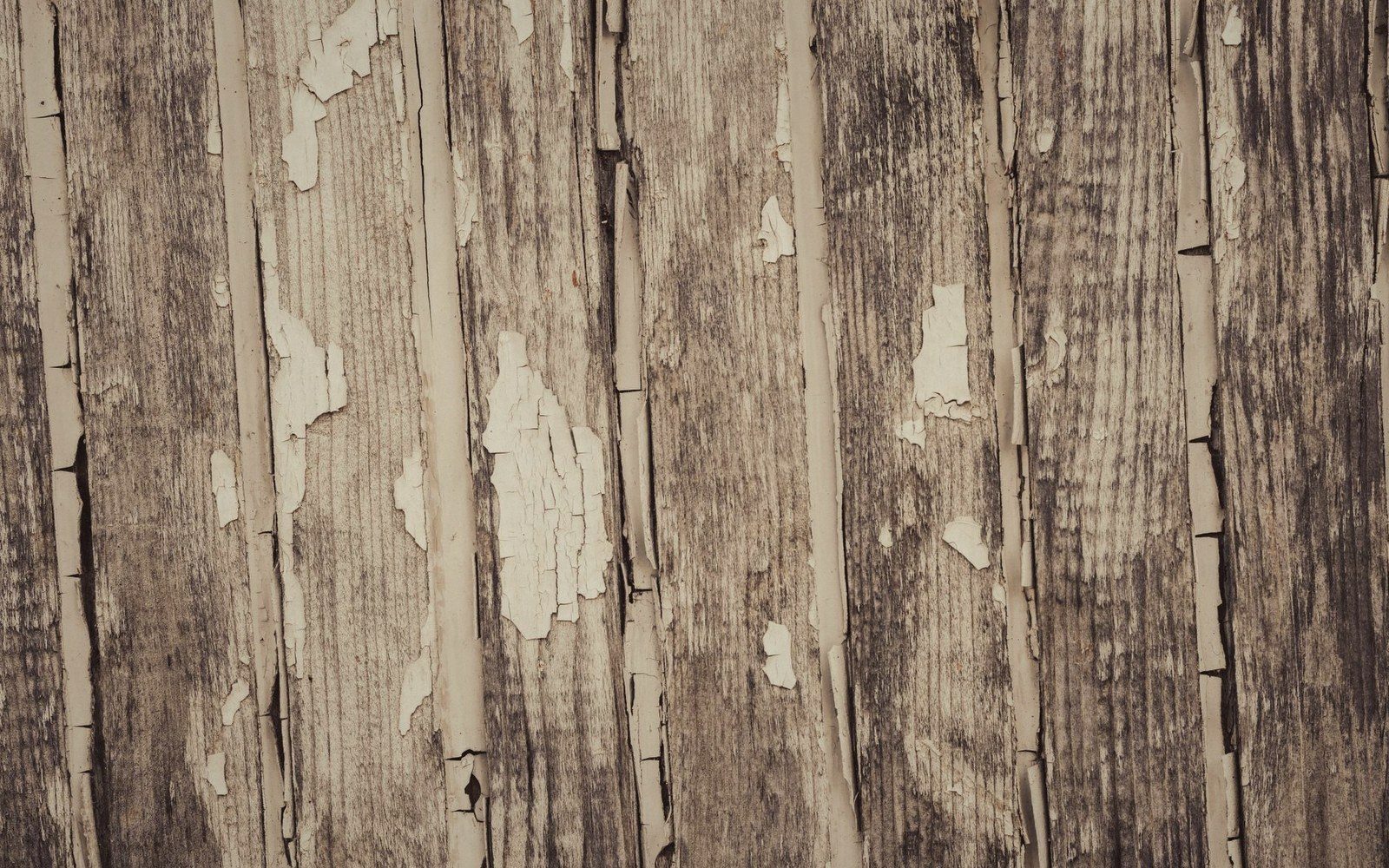
A dry oil painting without varnish looks flat. Not artistically flat — optically flat. The surface has cured to a slight porosity that scatters light in every direction, and that scattered light washes out the shadows, dulls the darks, and makes every colour read at something less than its full saturation. Stand in front of an unvarnished panel and you are partly reading the surface, not the paint beneath it.
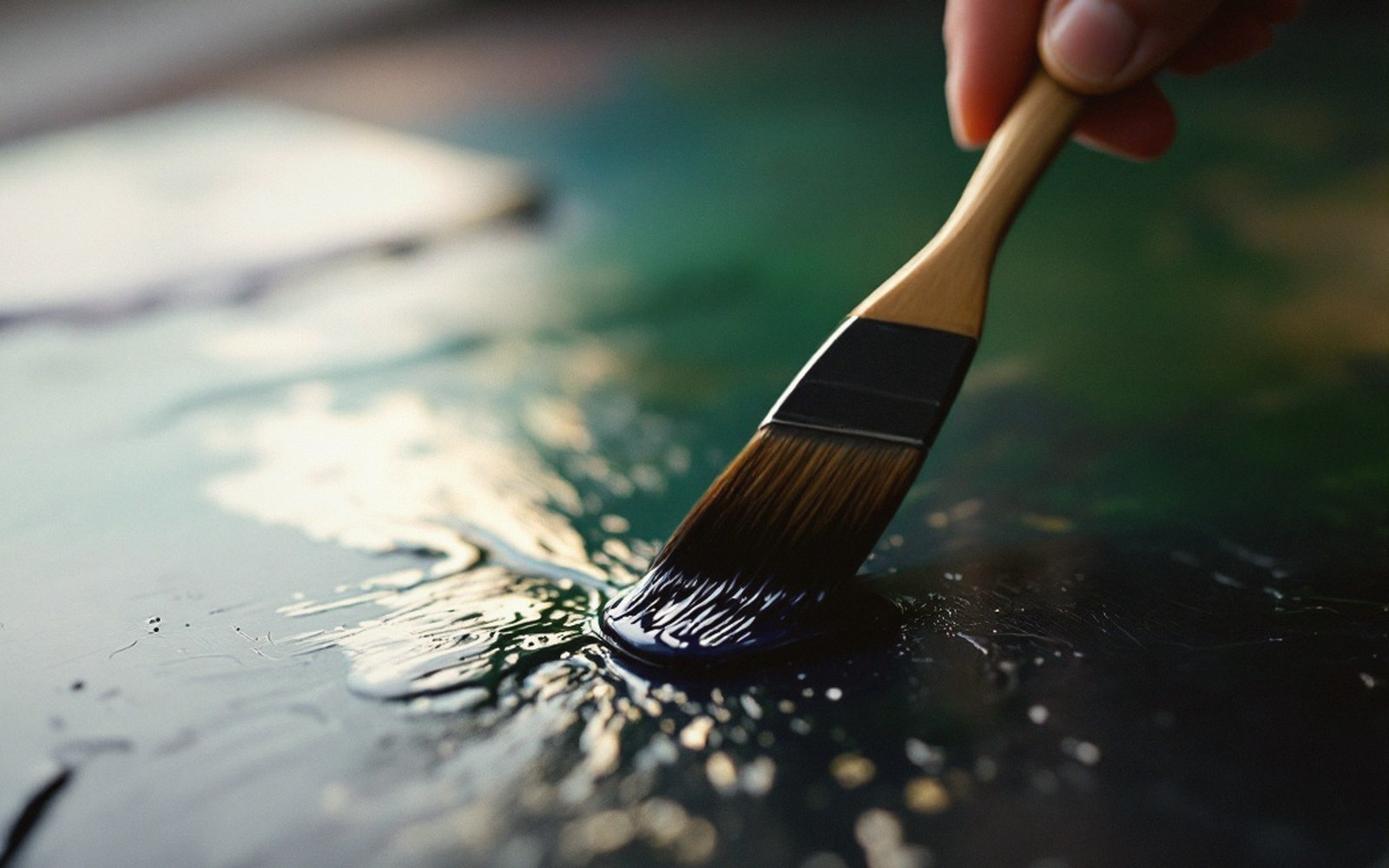
Varnish fills those microscopic surface voids. The resin — whether damar, mastic, or a modern alkyd — settles into the tiny valleys between brushstrokes and dried pigment particles, creating a new, unbroken top surface. Light now enters at a single consistent angle and reflects back in a controlled way rather than scattering. The result is immediate and dramatic: shadows deepen by several tones, colours saturate, and the image appears to move backward into a notional space behind the picture plane. Painters describe this as the painting “coming back” — the effect is so reliable and so striking that it is almost always a surprise the first time.
The saturation increase is not an illusion. Pigment particles surrounded by air reflect light inefficiently because the refractive index mismatch between air and pigment is large. Fill that air with resin and the mismatch narrows, meaning more light reaches the pigment and bounces back as colour rather than being scattered as white noise. Linseed oil exploits exactly the same physics while it is wet, which is why a painting looks richer during brushwork than it does once cured and dry. Varnish reinstates the oil's original optical depth without adding more oil.
The gloss level matters too. A high-gloss varnish produces maximum saturation but also produces specular reflections — the bright point-source glare that obscures the painting at certain viewing angles. A matte or satin varnish, typically achieved by adding matting agents to reduce sheen, sacrifices some saturation in return for reducing glare. Neither choice is neutral: both are decisions about how the painting is experienced in a room with real light sources and a moving viewer.
Two photographs of the same painting, taken before and after varnishing, rarely look like the same object. The colour relationships shift. Distances within the composition readjust. What read as a mid-tone becomes a dark. For that reason, painters who choose to leave a work unvarnished are making a positive decision about a visible optical condition — not simply skipping a finishing step. The varnish is part of the painting's meaning, even when it is absent.