VARNISH — layer 5 of seven
Natural Resin Against the Polymer
Two varnishes, two philosophies — and what each one actually does to the surface beneath it
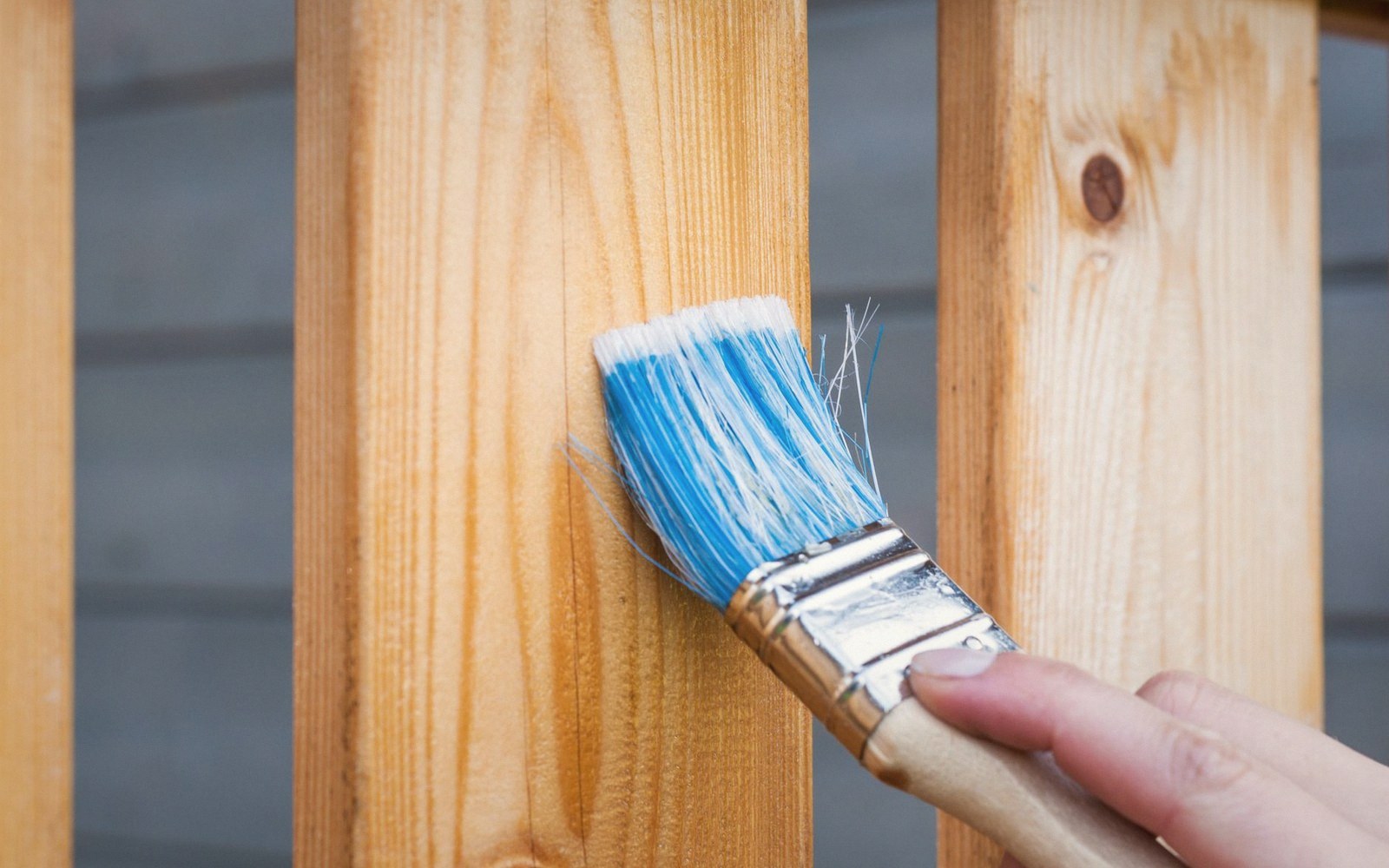
What You Are Looking At When You Look at Varnish
Varnish is not decoration. It is a thin, transparent layer of dissolved resin — natural or synthetic — applied to a dry paint surface to protect it and to unify its optical behaviour. Without it, matte passages absorb light differently from glossy ones, and the painting reads as uneven before you have even started looking at the image itself. With it, the whole surface sings or dims together. That decision — which resin, and why — is less straightforward than it sounds.
The oldest varnish in common studio use is damar, a natural resin tapped from trees of the genus Shorea in South and Southeast Asia. Dissolved in mineral spirits (white spirit), it dries to a clear, high-gloss film. Painters and conservators have used it since the nineteenth century. It is still widely available, it handles easily, and in a freshly applied state it produces exactly the saturation-deepening, gloss-evening effect that varnish is expected to deliver. The problem is time.
Damar yellows. It does so because the resin contains oxidising compounds that react with light and oxygen over years or decades. A canvas varnished with damar in 1960 carries a warm, amber cast today that the painter did not intend. More troublingly, as damar ages it also becomes less soluble — harder to remove in the solvents that once dissolved it easily. The standard solvent for fresh damar is mineral spirits or, for older, denser films, a lighter aromatic hydrocarbon. But aged damar resists these and requires stronger intervention, which increases the risk to the paint layer beneath. In conservation practice, reversibility — the ability to remove a varnish cleanly without disturbing what is under it — is not a secondary consideration. It is fundamental.
What the Synthetics Offer
Modern synthetic varnishes are mostly acrylic or hydrocarbon resins: the most commonly encountered are Paraloid B-72 (an ethyl methacrylate copolymer) and the Gamblin range built around Regalrez, a hydrocarbon resin. These are formulated to address exactly the weaknesses of damar.
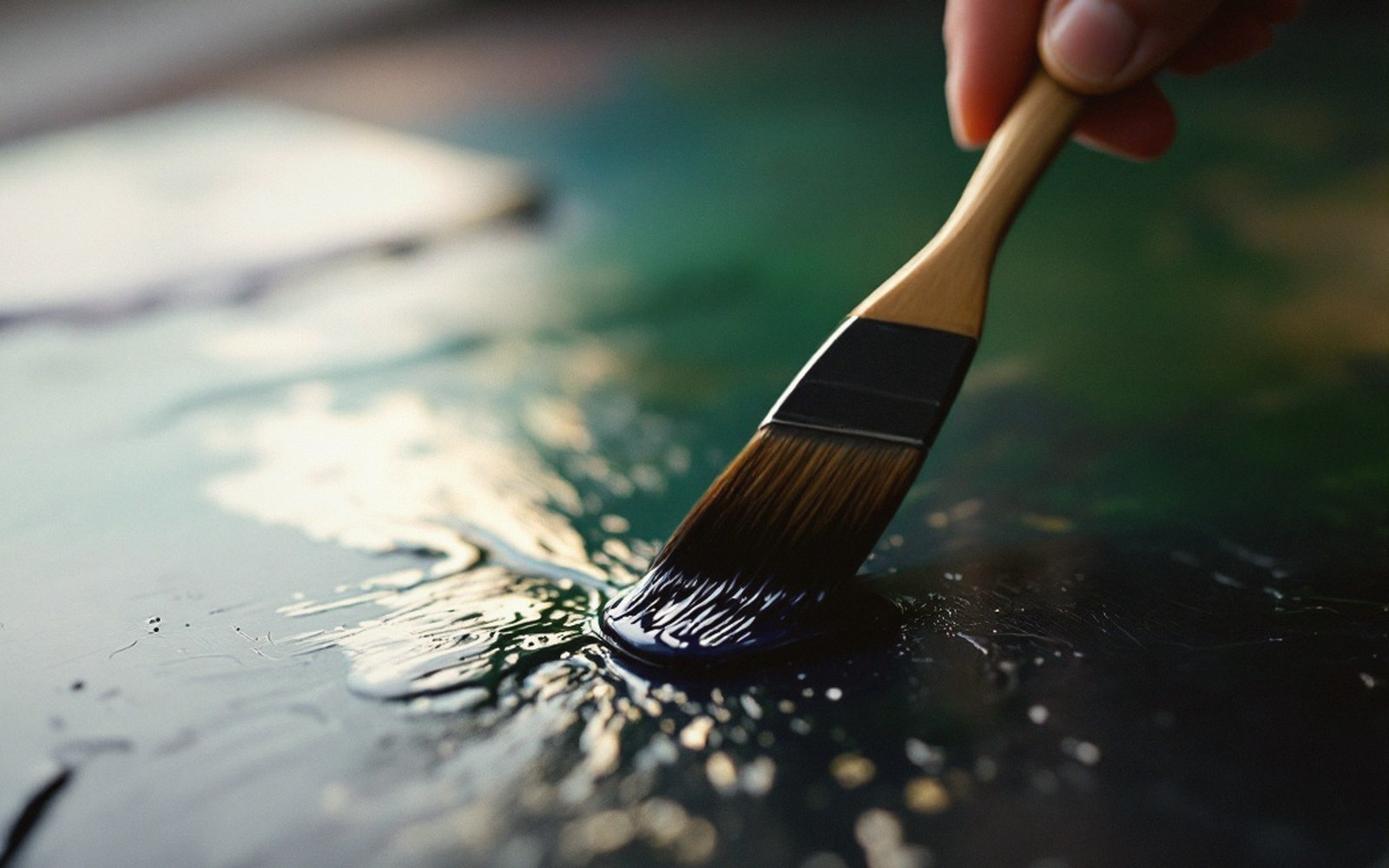
Synthetic varnishes do not yellow at anything close to damar's rate. The chemical structures that cause oxidative discolouration are absent or minimised. In standardised light-ageing tests, acrylic and hydrocarbon resin varnishes remain optically stable far longer than their natural counterparts. They also tend to retain their solubility — Regalrez, for instance, remains soluble in mild aliphatic solvents even after significant ageing, which is precisely why it has become a conservation-department standard for contemporary painting. Reversibility stays manageable over longer timeframes.
What they sacrifice, for some observers, is the quality of that initial optical effect. Damar at full gloss has a depth — a slight richness — that some painters find the acrylic alternatives don't quite replicate. Synthetic varnishes are available in matte, satin and gloss formulations, but the satin and matte versions achieve their surface not by a softer sheen but by microscopic matting agents added to the resin; the mechanism is different from damar's natural high gloss. Whether this registers as a meaningful difference depends entirely on the painting and the eye looking at it. On a heavily textured impasto surface, the distinction vanishes under raking light. On a smooth, finely painted panel, some painters insist it matters.
There is one further practical point. Damar varnish requires a minimum six-month drying period for the oil paint beneath before application — the film must be fully through-dried or the varnish seals in solvent that cannot escape. Some synthetic varnishes, formulated as isolation coats or applied at lower concentrations, can go on sooner without this risk, though patience remains advisable.
The comparison, then, is not between good and bad. It is between a resin with a long proven record that degrades predictably, and formulations engineered to outlast it but less than two centuries old. Neither is permanent. All varnish is temporary by design — a layer expected, eventually, to be removed and replaced. The question is how long that replacement can reasonably wait, and what condition the film will be in when it does.