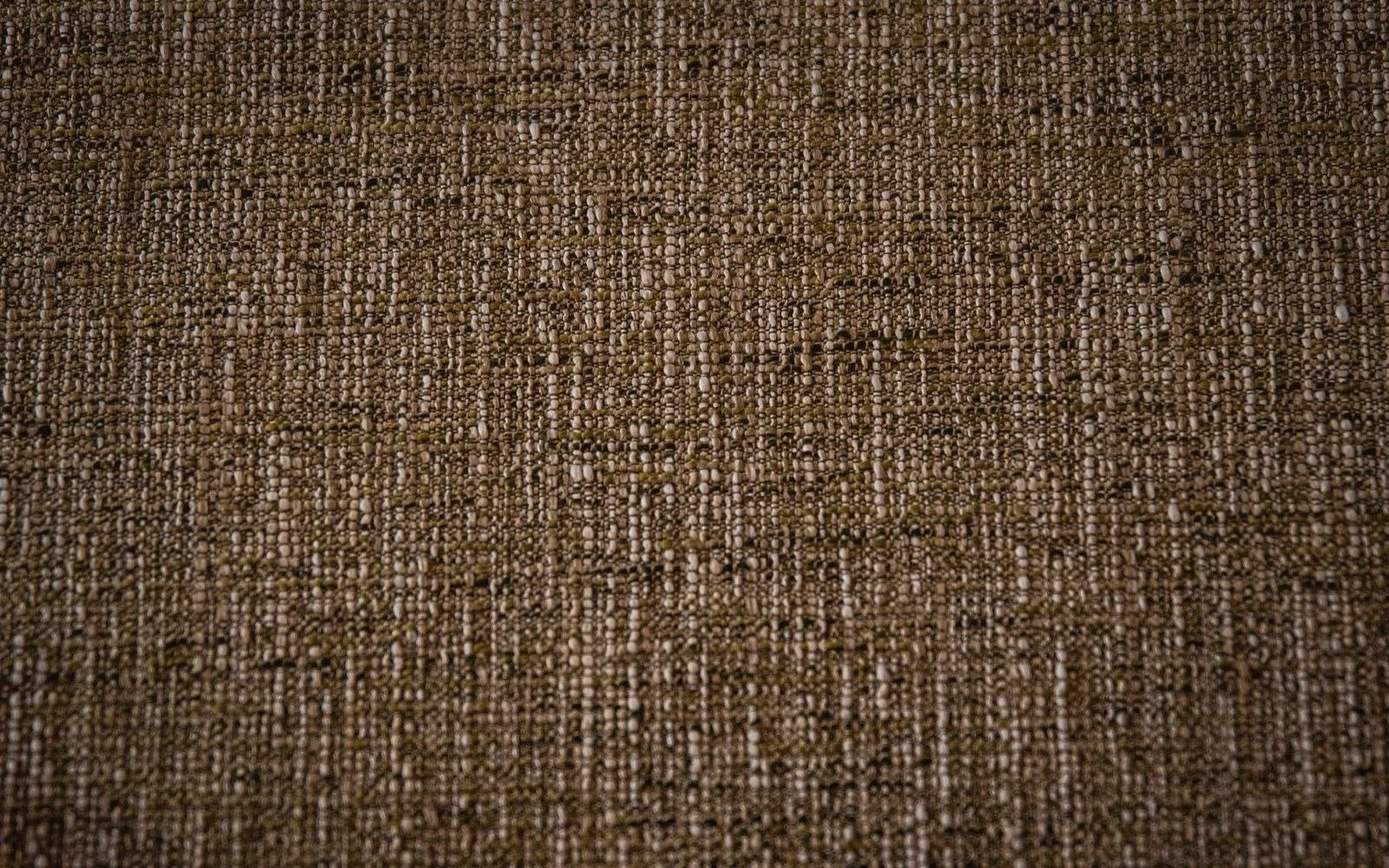
Extreme macro of unprimed linen canvas weave, individual threads visible, raking light picking out the texture
Photo: Magda Ehlers / PexelsLayer 2 of seven
CANVAS
The woven surface that takes the ground — thread count, tension, and the weave you can feel through the paint.
Where CANVAS sits
The stack, back to front, with band depth set by how much each layer carries here. CANVAS is layer 2 of seven.
BEHIND IT ▼ STRETCHER
IN FRONT OF IT ▲ GROUND
What to look for in this layer
- Linen
- spun from flax; long, stiff, irregular bast fibre; higher tensile strength; lower moisture absorptionFrom “The Linen Argument” →
- Staple placement
- into the back (wide flat face) of the bar, not the outer edge; parallel to the bar's lengthFrom “From Roll to Frame: How Canvas Gets Stretched” →
- Tooth
- the physical texture of a woven canvas surface; the peaks and valleys between threads that grip and interrupt paintFrom “The Tooth Beneath the Paint” →
Everything in CANVAS
3 pieces.
- The Linen ArgumentSets out the real differences between linen and cotton support — tensile strength, texture, age behaviour — and unpicks the mythology that has built up around linen's supposed superiority.4 min read
- From Roll to Frame: How Canvas Gets StretchedA step-by-step walk-through of stretching and stapling canvas onto bars — order of staples, corner folding, the first and second passes. Written so a first-timer can follow it without pictures.4 min read
- The Tooth Beneath the PaintAn argument that the weave count of a canvas is a compositional decision — how a coarse tooth breaks a brushstroke and a fine one lets it skate. Uses examples from historical technique.2 min read