CANVAS — layer 2 of seven
The Tooth Beneath the Paint
The weave count of a canvas is not a neutral technical choice — it shapes every mark the brush makes.

How the Grid Below Changes What You See Above
Run your fingertip across an unprimed canvas and you feel it immediately: a crosshatch of raised threads and small hollow pockets. That texture is called tooth — the mechanical grip that holds paint to the surface. But tooth does far more than grip. It breaks, deflects, and abbreviates every stroke, and painters who understood that used it deliberately.
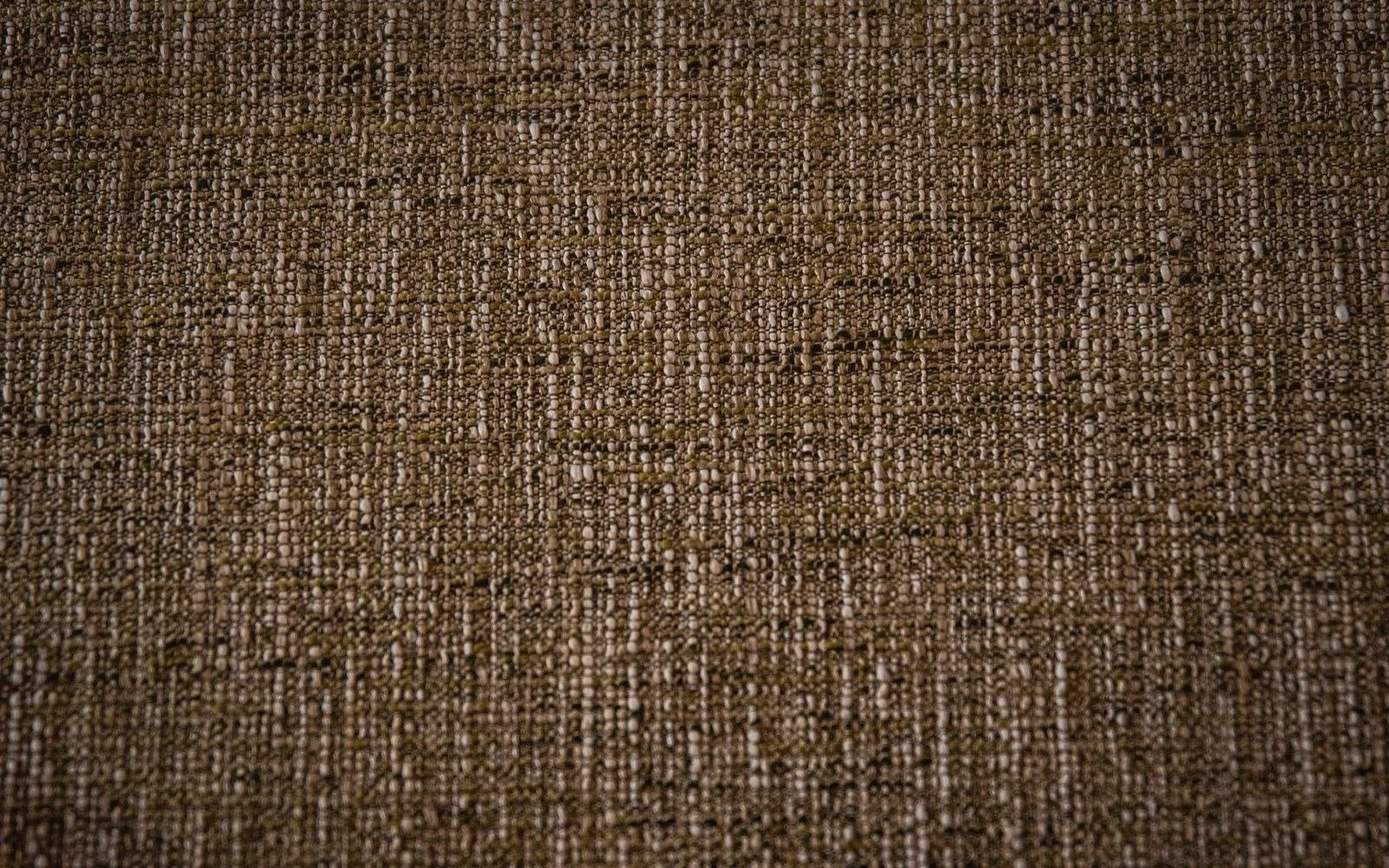
Weave count is measured in threads per centimetre (or per inch, depending on which tradition you're reading). A coarse canvas — say, ten threads per centimetre — has wide, deep valleys between threads. Drag a loaded brush across it and the paint catches on the peaks, skips the recesses, and arrives at your eye already fragmented. The stroke looks energetic because it literally is incomplete: the weave interrupted it. Rubens used this to his advantage on large works, where the scumbled skin tones — thin paint dragged fast across a coloured ground — gain their warmth partly because the gaps let the ground breathe through.
A fine canvas, twenty-plus threads per centimetre, offers almost no resistance. The brush skates, deposits paint evenly, and leaves a surface close to smooth. Flemish panel-painters who shifted to canvas in the sixteenth and seventeenth centuries often chose tight, even weaves precisely to preserve the crisp edge that panel had given them. Velázquez worked on canvases with a relatively fine, regular weave; the precision of his brushwork — a stroke that begins and ends exactly where he intended — depends partly on a surface that does not fight back.
Priming changes the calculation but does not erase it. Multiple coats of gesso or an oil ground will fill the valleys and reduce tooth considerably, bringing a medium-weight canvas closer to the behaviour of a fine one. The painter, choosing how many layers to apply and how smoothly to sand between them, is in effect choosing the canvas again from scratch. What goes into that ground and how absorbent it is will also affect how the paint moves — but the weave beneath never disappears entirely. Under raking light, even a thickly primed and heavily painted surface often betrays the grid below, a ghost structure pressing up through every subsequent decision.
Next time you stand close to a canvas painting, look for that ghost. Where brushstrokes seem to skitter or break unevenly, the weave is doing the breaking. Where paint lies flat and precise, a tight grid — or a heavily filled one — let the painter stay in control. The composition begins at the surface, but it starts below it.