CANVAS — layer 2 of seven
The Linen Argument
Linen's reputation as the serious painter's canvas is almost universally accepted. The reality is considerably more complicated.
What You Are Actually Looking At
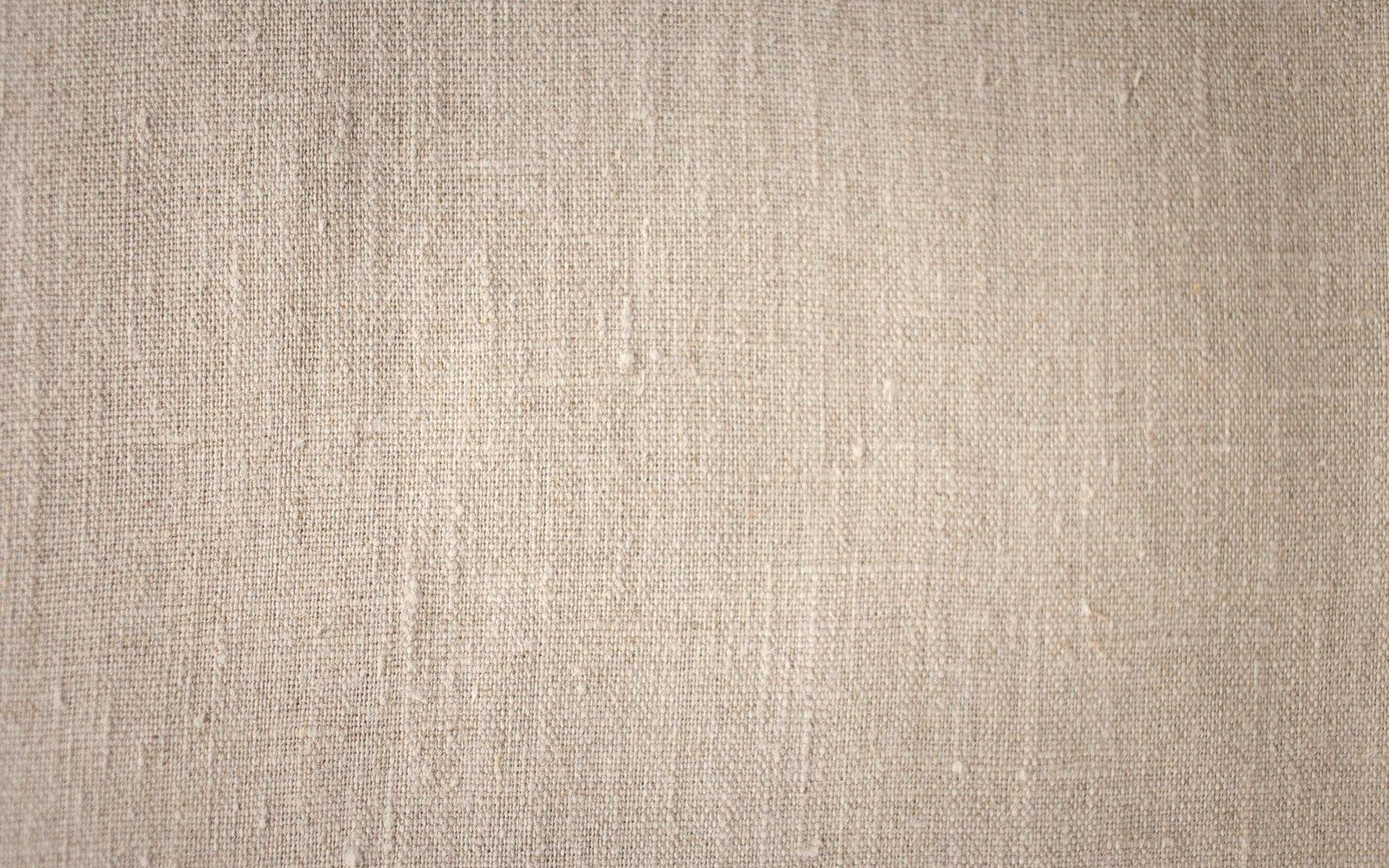
Pull a gallery label and you will find the word “canvas” used as though it means one thing. It rarely specifies what. Historically, both linen and cotton have been called canvas — a word that originally described the weave structure, not the fibre. What matters at the surface level is the thread: linen is spun from flax, a plant with a long, stiff bast fibre; cotton comes from the seed bolls of the Gossypium plant and produces a shorter, rounder, softer strand. Those two fibre shapes explain almost everything that follows.
Linen threads are irregular. Under a magnifying glass the warp and weft look like a series of slight swellings and narrowings along each strand — nodes left by the plant's natural growth. This unevenness produces a surface with what painters call tooth: microscopic peaks and troughs that hold paint and create a faint organic liveliness. Cotton threads are smoother and more uniform. A cotton canvas, primed and ready, can feel almost bland in comparison — less insistent, more neutral. Neither is wrong. They are simply different tools.
The tensile strength argument is real. Flax fibres are genuinely stronger per unit weight than cotton. A linen canvas, taut on its stretcher, resists tearing and puncture more effectively. This is not mythology; it is measurable. For large-format work — anything where the surface must bear weight across a significant span — linen's mechanical advantage is meaningful. So far, so fair.
Where the Mythology Begins
The reputation tips into mythology at the point of ageing. The received wisdom holds that linen lasts centuries where cotton fails in decades. This is partly true and partly a category error.
What really ages canvas is not the fibre type alone but the oil used to prime and paint it. Oil is mildly acidic as it cures, and over time that acidity attacks the cellulose in both fibres. Linen and cotton are both cellulose — chemically the same base material. Linen's advantage is that it starts out stronger, so it has more strength to lose before it becomes fragile. That is a real advantage. But a cotton canvas primed with a barrier coat that properly separates the oil from the cloth, then kept away from dramatic humidity swings, can outlast a well-used linen canvas that received heavy impasto and no such protection. The fibre is not the only variable.
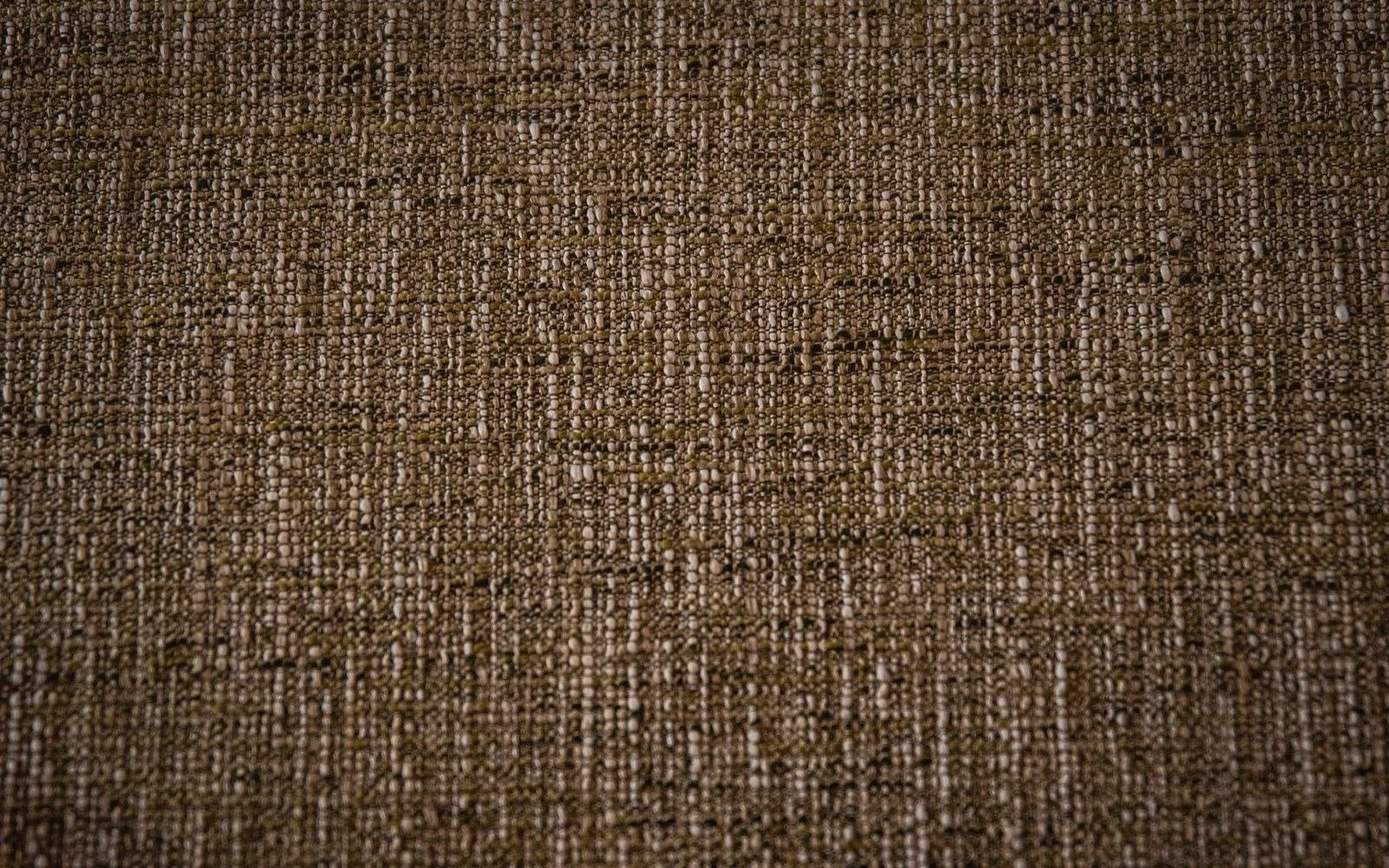
Cotton's other real weakness is its response to moisture. Cotton is highly hygroscopic — it absorbs atmospheric water readily and expands significantly when it does. As humidity drops, it contracts. Over hundreds of cycles this movement fatigues the weave and, more importantly, cracks the paint film on top of it. Linen moves too, but less dramatically: its fibres absorb less moisture relative to their mass and return to near their original dimension more reliably. In a badly controlled environment — an old country house, a shipping container, a gallery with variable heating — this difference is significant. In a climate-controlled museum store, it narrows to almost nothing.
The third plank of linen's reputation is aesthetic. Painters who have used both often describe working on linen as more pleasurable: the resistance of the tooth, the way paint seems to hold rather than slide. This is entirely real as a sensory experience. Whether it produces a measurably better finished painting is much harder to establish. A great many canonical works of the twentieth century were made on cotton duck — the tightly woven, flat-weave cotton that American painters used heavily from the mid-century onward — and they look exactly as the artists intended.
What a Careful Look Reveals
Stand close to a linen canvas — one that has been primed but not heavily sanded — and the texture is legible even through many paint layers. The slight irregularity of the weave catches the light differently across the surface, giving it a warmth that a uniform cotton ground does not have. This is the thing worth noticing in a gallery: whether the texture beneath the paint feels mechanical or organic. It is not always linen that feels organic and cotton that does not. A loosely woven cotton, coarsely primed, can carry its own character; a fine, heavily sanded linen can be almost textureless.
The weave count of a canvas is a compositional decision, and it operates independently of fibre type. A coarse linen and a coarse cotton both interrupt brushwork. A fine linen and a fine cotton both allow it to flow. Fibre and weave are two different specifications, and conflating them accounts for much of the confusion in how painters talk about their materials.
What linen genuinely offers is higher tensile strength, lower moisture response, and a surface texture that most painters working in oil find congenial. What it does not offer is immortality, automatic superiority, or any guarantee against the damage that poor priming, extreme climate or physical mishandling will produce on any support. The mythology around linen is the mythology of the best-case scenario — a fine cloth, well prepared, well used, well kept. Under those conditions it excels. Under ordinary conditions, the gap between it and a decent cotton is narrower than most painters care to admit.