FRAME — layer 7 of seven
Water Gilt, Oil Gilt, Spray — What the Difference Looks Like
Three methods of putting gold on a frame. The difference between them is visible from across the room.
What Each Method Actually Does
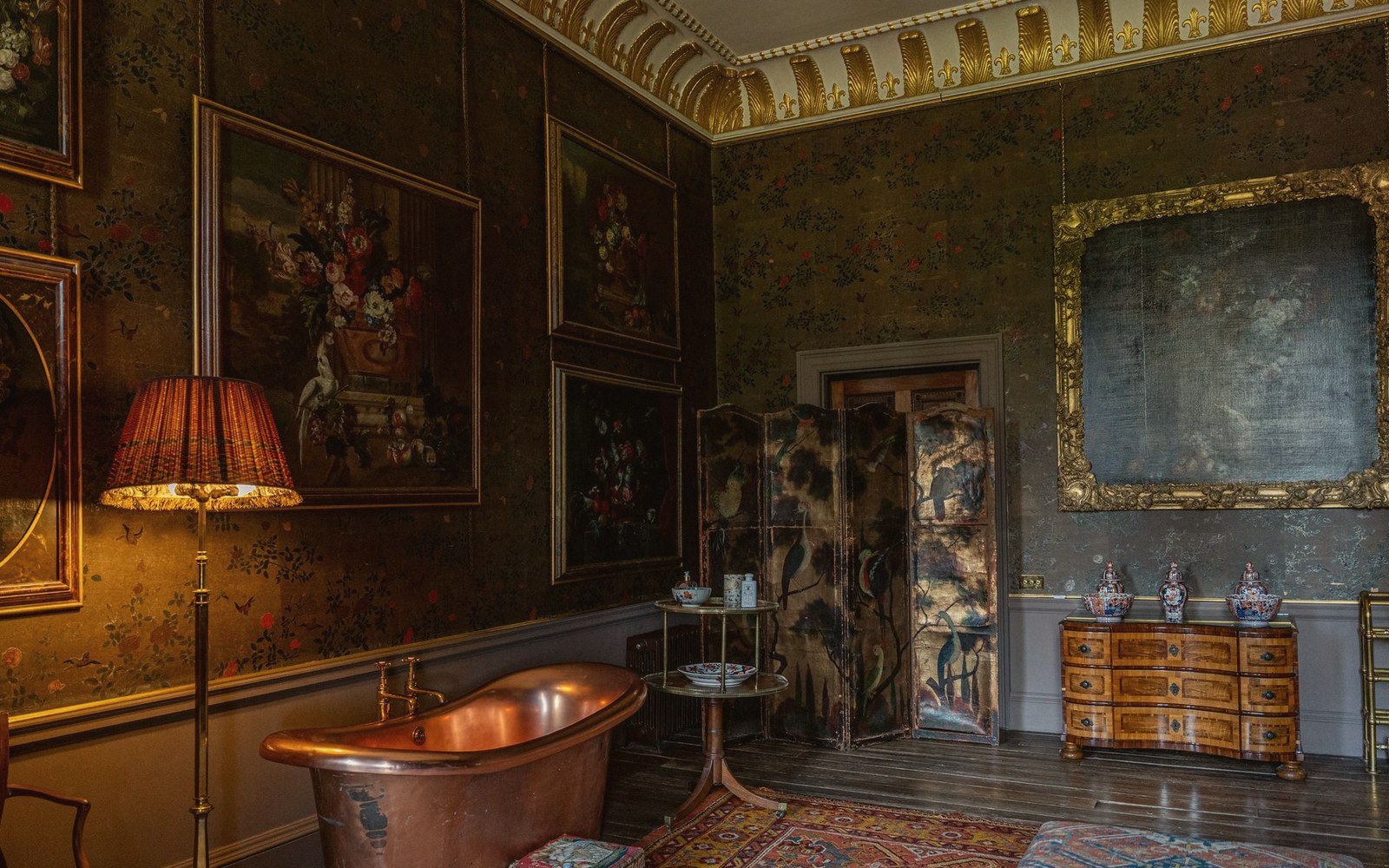
Water gilding is the slow one. The frame receives multiple coats of gesso, then a layer of bole — a coloured clay, usually terracotta or grey — bound with rabbit-skin glue. The bole is reactivated with water at the moment of gilding, and the gold leaf, which is beaten to roughly a hundred nanometres thick, adheres through suction rather than adhesive. Once dry, the gilder burnishes it with an agate or dog-tooth stone. That burnishing compresses and aligns the gold against the smooth bole beneath. The result is a reflective surface that behaves almost like a mirror: it has depth, it shifts register as you move past it, and you can see your own blurred silhouette in the highest points. Look at a carved limewood frame on a seventeenth-century Dutch painting and you are almost certainly looking at water gilding, or a later attempt to approximate it.
Oil gilding skips the bole and the burnishing. Instead, a layer of gold size — a slow-drying oil or alkyd adhesive — is applied and left until it reaches the right tack, then gold leaf is pressed onto it. The size grips the leaf permanently; no burnishing is possible, because pressing hard would tear through to the size rather than compressing metal against clay. The finish is flat, matte to slightly satin, and consistent. It does not shift as you walk by. It is, however, more durable outdoors and on uneven or complex surfaces where burnishing would be physically impossible. Much Victorian architectural gilding is oil-gilt; so is a great deal of period lettering on shop fascias and glass.
Spray gilding — more properly, the application of metallic powder or gold paint by aerosol or spray gun — is not true gilding at all. No metal leaf is laid; instead, atomised bronze powder or a metallic pigment suspended in lacquer lands on the surface. The particles sit proud, randomly oriented, and catch the light unevenly. The result reads as gold from a distance but collapses at close range into something chalky, slightly orange, and visibly hollow. Restoration gilders sometimes use spray to tone in damaged areas before the eye moves on; as a primary finish, it dates a frame instantly. Run your eye along the moulding. If the gold feels flat and uniform with no variation in depth, and the carved detail looks slightly clogged, you are probably looking at spray.
How to Tell Them Apart
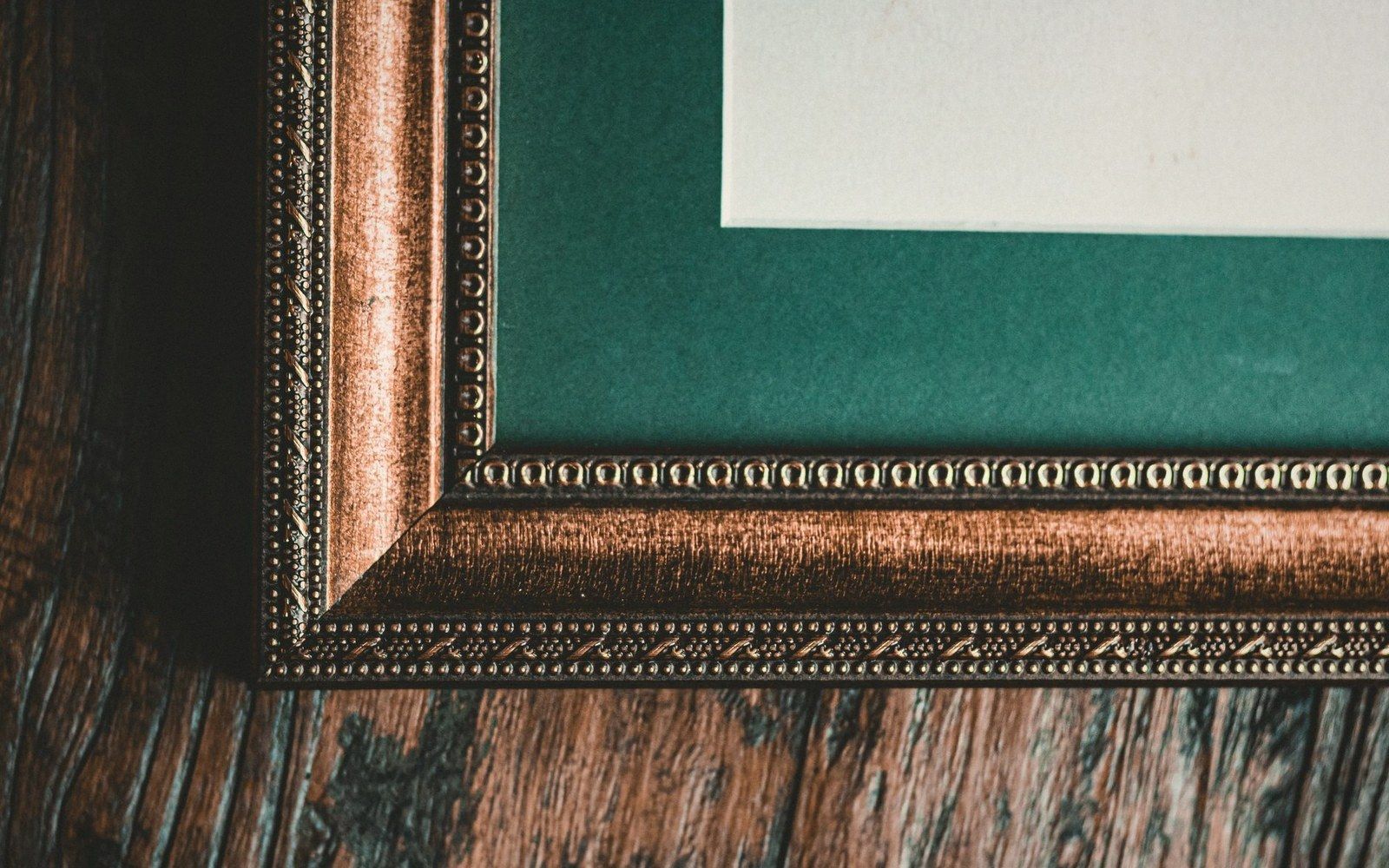
Stand close enough to cast a shadow on the frame. Tilt your head slowly. Water gilding responds: the burnished passages flash, the matte passages — deliberately left unburnished to give relief — stay quiet, and the alternation between the two creates the three-dimensionality that makes antique frames read as carved rather than flat. Oil gilding gives a stable, even glow but no flash. Spray gives neither; it simply absorbs more light than it returns.
Examine the corners and deepest recesses of the carving. Water gilding at its best leaves those passages in a different finish — sometimes a bare bole colour showing through — because the gilder has worked them deliberately to model the form. Oil gilding and spray tend toward completeness: every surface covered at the same weight.
Age matters too. Water gilding, well executed and on a stable ground, lasts for centuries. The burnish may dull, but the gold itself does not corrode. Oil gilding holds well but can yellow at the size layer over decades. Spray finishes tend to oxidise and bronze-tone within years. The frame that still looks three-dimensional after three hundred years almost certainly started with water, bole, and a gilder's agate.