FRAME — layer 7 of seven
Period Frames and the Wrong Century
A painting and its frame are rarely original companions — and the mismatch tells you more than you might expect.

How Paintings Lose Their Frames
Frames have always been expendable. When a painting changed hands, the frame often stayed behind, was sold separately, or was broken up for its gilded wood. By the time many Old Master works entered public collections, they had already passed through several frames across several centuries. A Flemish panel from the 1580s might now sit in a swept Rococo moulding from the 1750s, or a flat Neoclassical slip that was fashionable a generation later still. Neither is wrong, exactly — but neither tells you what the maker intended.
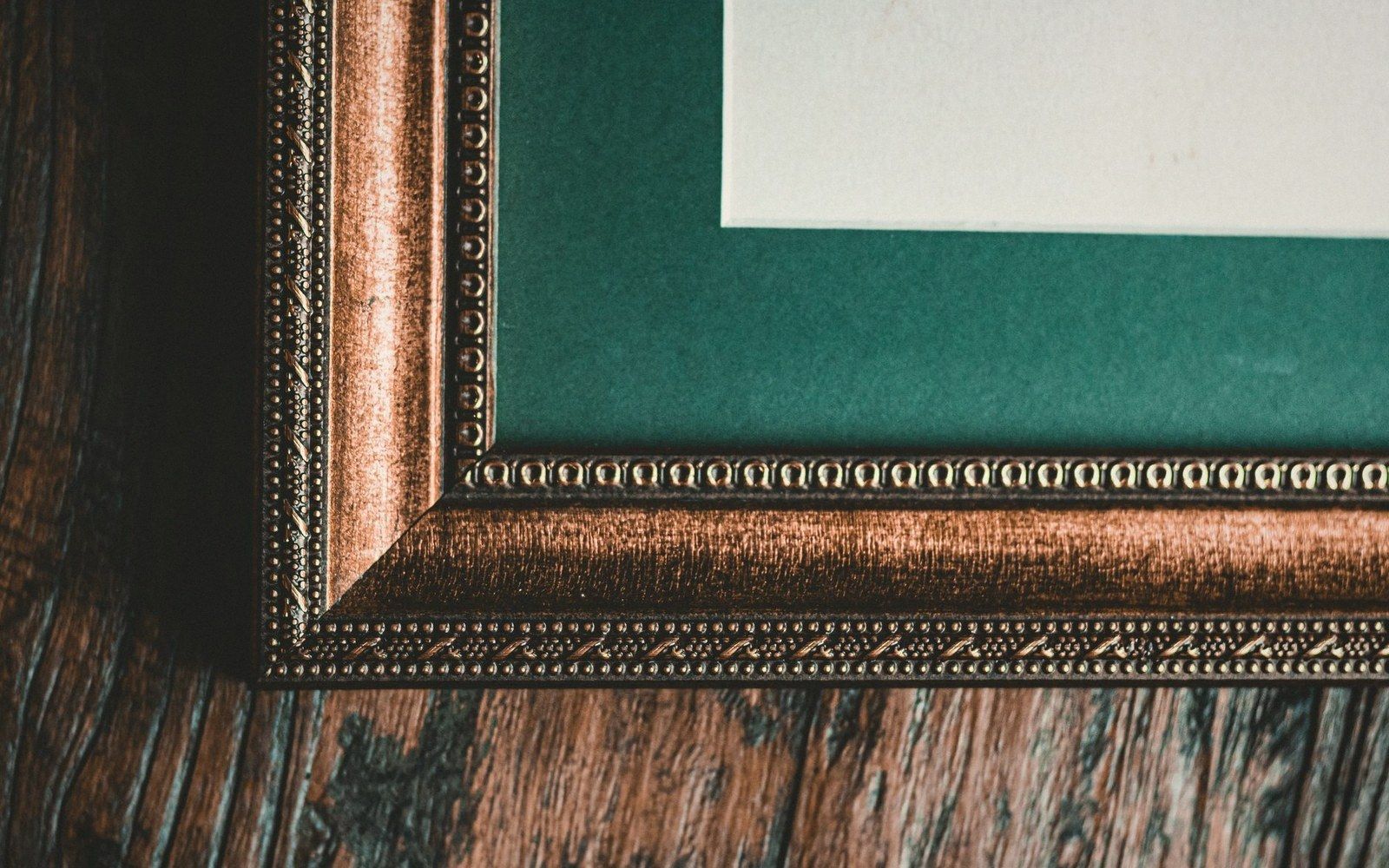
The mismatch compounds in both directions. Collectors have also placed contemporary works into antique frames for prestige, or stripped genuine period frames from older pictures and replaced them with something cheaper. Each transfer leaves a painting in a different conversation with the room around it.
What Period-Appropriate Actually Means
Period-appropriate framing does not mean the identical frame from the identical year. It means a frame whose profile, ornament, and gilding method sit within the visual language the painting was designed to enter. A Venetian Renaissance painting expected a cassetta frame — a flat, inlaid border, sometimes ebonised — not the deep, carved acanthus of a later French taste. A Dutch Golden Age interior assumed a simple ebony or tortoiseshell veneer, flush and quiet. When the frame contradicts that expectation, it is doing compositional work the painter never authorised.
You can test this in any collection. Stand at the joint between canvas edge and moulding. If the frame competes — if it pulls the eye outward before you have finished looking inward — something is misaligned. A well-matched frame is almost invisible. It stops the picture where the picture wants to stop, and hands you back to the paint.