STRETCHER — layer 1 of seven
Pine, Poplar, or Obeche — Does the Wood Actually Matter?
A direct comparison of the three timber species most commonly used for stretcher bars, examining movement, weight and cost. Argues that the choice matters less than moisture control.
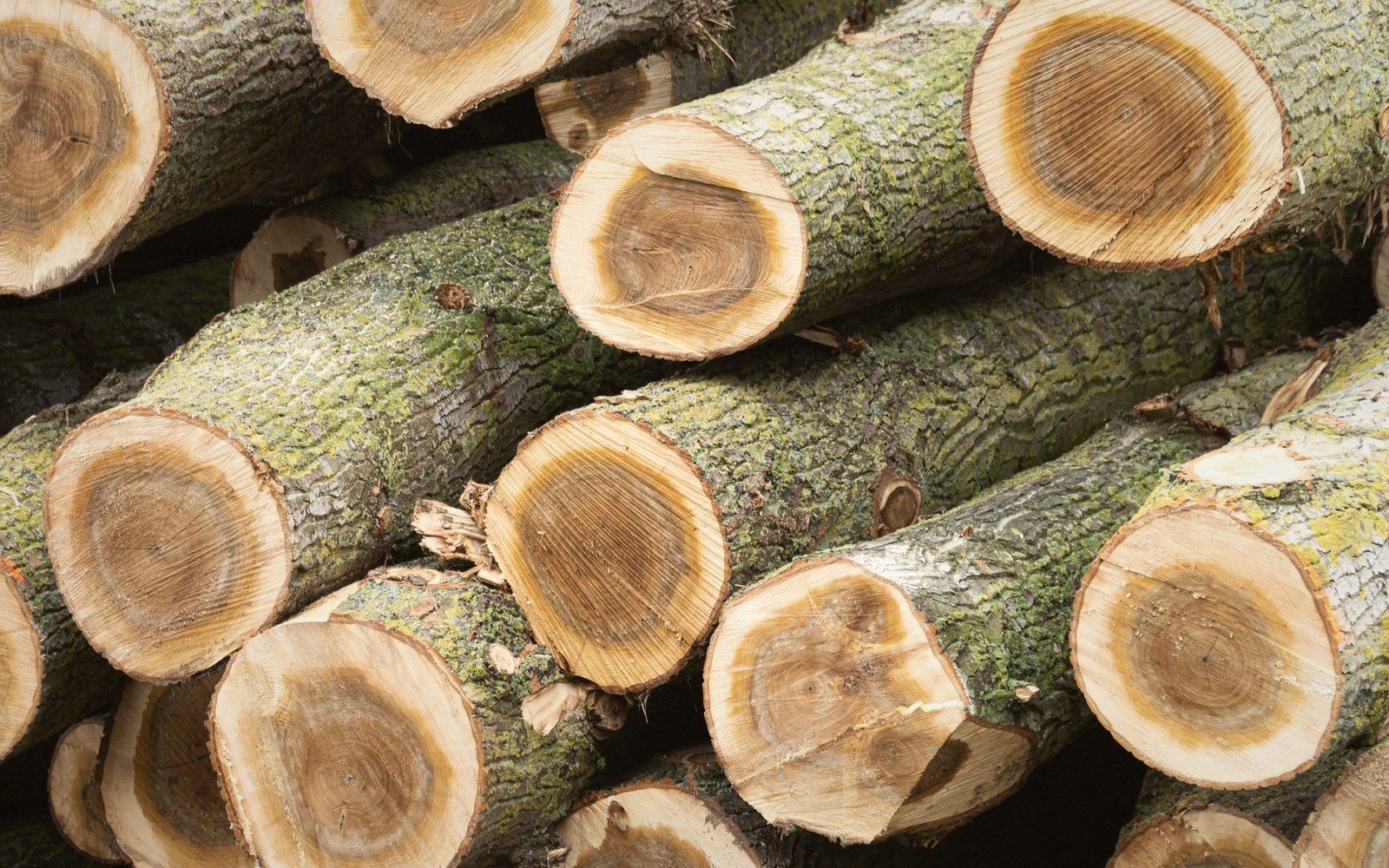
The bar underneath everything else
The wood inside a stretched canvas is the one component nobody looks at. Yet every painter eventually has an opinion about it — pine is too heavy, obeche too soft, poplar just right — and most of those opinions are grounded less in evidence than in habit.
The three species dominate the market for stretcher bars in different proportions. Pine, most often Scots or Ponderosa, is cheap, widely available and stiff for its weight. Poplar — technically a hardwood, though a soft one — mills cleanly, stays straight and takes a mortise well. Obeche, a West African timber, is lighter still, cuts easily and has become standard in budget and student-grade bars.
In terms of structural stiffness over a long span, pine has a slight edge. But for the stretcher sizes most painters actually use — anything under about a metre — the difference is effectively zero. A well-joined bar of any of the three will hold tension without flexing under normal conditions. The choice of profile, specifically whether the bar has a deep enough section and adequate corner bracing, matters far more than species.
Weight is a real distinction, though rarely a decisive one. Obeche is noticeably lighter than pine, which matters to a conservator moving large works, less so to anyone else. Poplar sits between the two.
Where all three species agree, unfortunately, is in their response to moisture. Wood is hygroscopic — it absorbs and releases water vapour as relative humidity rises and falls. All three expand across the grain in high humidity and contract when the air dries out. Pine is slightly less reactive than the other two, but the margin is small. A gallery that swings between forty percent and seventy percent relative humidity will rack any of these species. The keyable wedge system at the corners exists precisely because the wood moves and the canvas must be able to compensate.
The real argument, then, is not pine versus poplar versus obeche. It is humidity control versus no humidity control. A poplar stretcher stored in a stable environment at around fifty percent relative humidity will outlast a pine one in an unheated storeroom. The timber is secondary; the air is primary.
Buy the wood that is well-seasoned, well-joined, and keyed. After that, let the hygrometer do the arguing.